Marine Layer Mold Prevention for San Diego Homes
If you live in Encinitas, Point Loma, Ocean Beach, or Pacific Beach, you know the marine layer well—that morning fog that rolls in from the Pacific and blankets coastal neighborhoods. As part of our comprehensive San Diego Coastal Home Cleaning Guide, this article explores how this unique microclimate creates humidity conditions that lead to persistent mold growth, and what you can do to protect your home.
The Science Behind Marine Layer Humidity
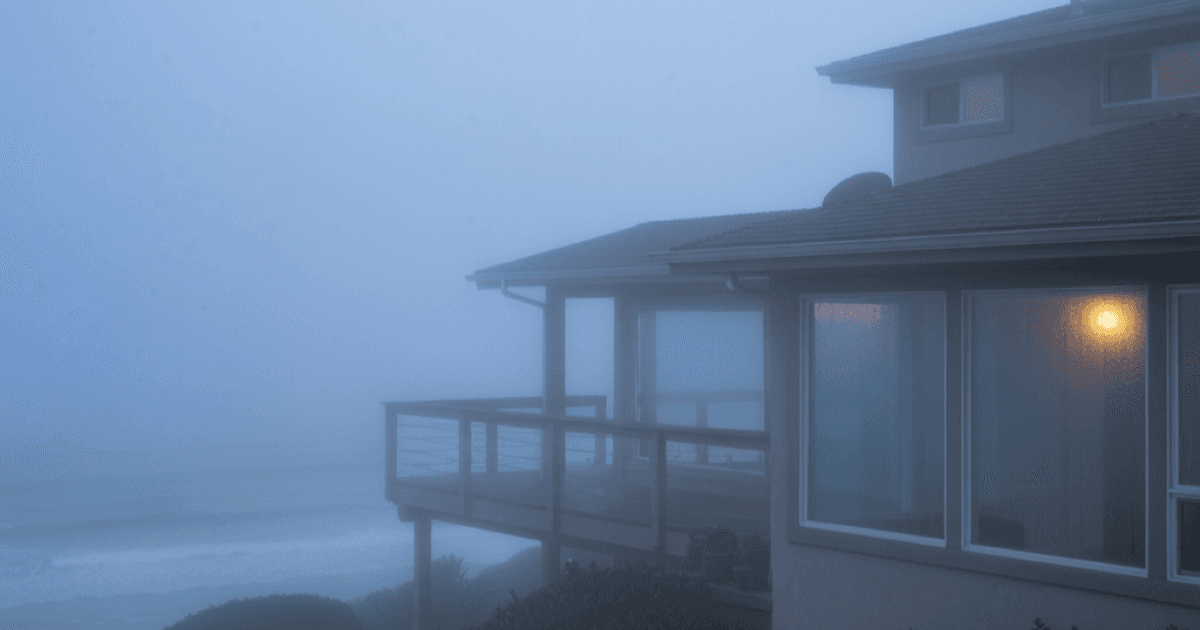
The marine layer forms when cool ocean air becomes trapped beneath a layer of warmer air—a phenomenon called temperature inversion. In San Diego, this creates a persistent fog bank that can extend several miles inland, particularly during late spring and early summer (what locals call “May Gray” and “June Gloom”).
When this moisture-laden air enters your home through windows, doors, and ventilation systems, it raises indoor relative humidity significantly. While outdoor humidity during marine layer events can exceed 90%, even well-sealed homes in Pacific Beach and Encinitas regularly see indoor humidity climb above 70%—well into the danger zone for mold growth.
The critical threshold is 60% relative humidity. Above this level, mold spores that naturally exist in indoor air (typically 200-500 spore counts per cubic meter) begin finding surfaces moist enough to germinate. Within 24-48 hours of sustained high humidity, microscopic mold colonies establish themselves on porous surfaces—drywall, wood, fabric, and even the dust layer on hard surfaces.
Marine layer typically arrives between 9 PM and 6 AM, raising humidity while temperatures drop. This daily condensation cycle accumulates moisture in hidden areas like wall cavities, closet corners, and under-sink cabinets.
Without intervention, indoor spore counts in coastal homes can reach 1,000-3,000 per cubic meter—levels associated with respiratory irritation. HEPA filtration captures particles down to 0.3 microns, including mold spores averaging 3-30 microns.
Windows, exterior walls, and uninsulated closet walls are primary condensation sites. When warm indoor air meets these cooler surfaces, water droplets form—providing the moisture mold needs to thrive.
High-Risk Areas in Your Coastal Home
Understanding where marine layer mold tends to develop helps you prioritize prevention efforts. Our Certified Partners who service Ocean Beach and Point Loma homes consistently identify these problem areas:
Bathrooms face a double threat—internal moisture from showers combined with marine layer humidity infiltration through exhaust vents. Grout lines, silicone caulk, and the underside of vanity cabinets are prime colonization sites. The key difference from typical bathroom mold: marine layer mold often appears on “dry” surfaces like bathroom ceilings and walls opposite the shower.
Closets represent the most underestimated mold risk in coastal homes. Limited air circulation, cooler temperatures (especially in closets against exterior walls), and organic materials (cotton, leather, wool) create ideal growth conditions. Residents in Encinitas frequently report musty odors and visible mold on stored clothing and shoes—often not discovered until seasonal items are retrieved.
Under-sink cabinets combine plumbing moisture with marine layer humidity, while corner cabinets against exterior walls develop condensation during temperature swings. The wood particle board common in cabinet construction readily absorbs moisture and supports mold growth within its porous structure.
Professional Mold Prevention Protocol
Effective marine layer mold prevention combines environmental control with regular professional intervention. Our clinical-grade steam cleaning service at 275°F eliminates existing mold colonies and spores without introducing chemical residues that can cause their own health concerns.
- Target 30-50% relative humidity—Use dehumidifiers during marine layer events, especially in bedrooms and closets
- Improve air circulation—Keep closet doors slightly open; use small fans in bathrooms after showering
- Address condensation immediately—Wipe window sills and frames each morning during fog season
- HEPA filtration—Run HEPA air purifiers to capture airborne spores before they can settle and colonize
While DIY cleaning addresses visible mold, professional steam treatment at 275°F penetrates porous surfaces where mold roots (hyphae) extend. This thermal sanitization achieves complete spore elimination without the bleach damage that can occur on grout, natural stone, and wood surfaces common in San Diego homes.
We pay a Living Wage ($30+/hr) to attract the top 1% of vetted talent. This means lower turnover, consistent quality, and Certified Partners who understand the specific mold challenges facing San Diego coastal homes—from the marine layer patterns in Point Loma to the humidity cycles in Pacific Beach.
Frequently Asked Questions
The marine layer brings moisture-laden air from the Pacific Ocean inland, raising indoor relative humidity above 60%. When this humid air contacts cooler surfaces in your home, condensation forms, creating ideal conditions for mold spore germination within 24-48 hours. Coastal neighborhoods like Ocean Beach and Point Loma experience this phenomenon most intensely, with morning fog occurring 100-150 days annually.
Point Loma, Ocean Beach, Pacific Beach, and Encinitas experience the highest marine layer exposure due to their proximity to the coast and local geography. These areas see relative humidity regularly exceeding 80% during marine layer events, with limited afternoon clearing compared to inland neighborhoods.
Keep closet doors slightly open for air circulation, use moisture-absorbing products, and avoid storing items directly on floors where cool air pools. Regular HEPA vacuuming of closet floors and walls removes mold spores before they can colonize. Professional 275°F steam cleaning eliminates existing mold without chemicals that could damage clothing and fabrics.
The EPA recommends maintaining indoor relative humidity between 30-50% to prevent mold growth. During marine layer events in San Diego coastal areas, achieving this often requires active dehumidification since outdoor humidity can exceed 90%. Monitoring with a hygrometer helps you respond quickly when humidity rises above safe levels.
Ready to Protect Your Coastal Home from Marine Layer Mold?
Join San Diego homeowners from Encinitas to Point Loma who trust Bravo Maids for professional mold prevention and clinical-grade steam sanitization.