Sand Ingress Deep Cleaning for San Diego Beach Homes
As part of our comprehensive guide to San Diego coastal home cleaning, this article explores the hidden threat that walks through your door after every beach trip. For homeowners in Del Mar, Pacific Beach, Mission Beach, Ocean Beach, and Imperial Beach, sand ingress represents one of the most persistent and damaging cleaning challenges. Our deep cleaning protocols are specifically designed to extract silica particles and prevent the abrasive damage that diminishes your home investment.
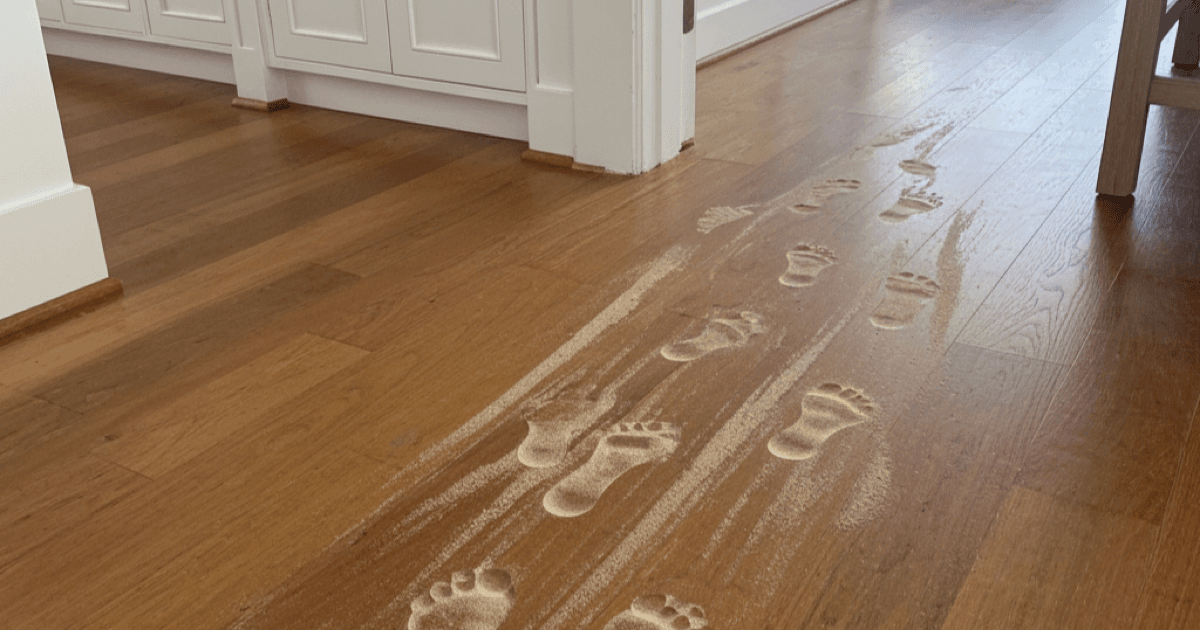
The Science of Sand Damage in Coastal Homes
San Diego beach sand is primarily composed of silica particles—the same mineral used to manufacture glass. These angular, crystalline grains measure between 0.1 and 2 millimeters in diameter and possess a Mohs hardness rating of 7, making them harder than most flooring materials including hardwood, tile, and even some natural stones.
When family members return from La Jolla Shores, Coronado Beach, or Torrey Pines State Beach, they bring an average of 1-2 tablespoons of sand per person into the home. According to the EPA, this seemingly small amount contains millions of abrasive particles that disperse throughout living spaces within hours.
In Del Mar and Pacific Beach homes, where beach access is a daily convenience, sand accumulation compounds rapidly. Without proper extraction, these silica particles create micro-scratches on surfaces with every footstep, gradually dulling finishes and wearing through protective coatings.
Surfaces Most Vulnerable to Sand Abrasion
Silica particles act like sandpaper beneath shoes and bare feet, creating hardwood scratches that penetrate polyurethane sealants.Mission Beach and Ocean Beach homes with original hardwood see accelerated wear patterns near entryways and high-traffic corridors.
Sand embeds deep in carpet backing where standard vacuums cannot reach. These particles cut carpet fibers from below, causing premature wear and matting. HEPA extraction removes particles trapped 2-3 inches below the surface.
Porous grout absorbs fine sand particles that become impossible to remove without professional equipment. Over time, embedded silica discolors grout and compromises its seal, allowing moisture infiltration.
HVAC System Infiltration: The Hidden Threat
Perhaps the most costly consequence of sand ingress occurs inside your home's HVAC ductwork. Fine silica particles become airborne during normal activity—walking, vacuuming, even air currents from opening doors—and enter the return air system.
In Imperial Beach and Pacific Beach homes, we frequently discover sand accumulation on evaporator coils, blower fans, and throughout duct systems. This buildup:
- Reduces HVAC efficiency by up to 25%, increasing energy costs
- Clogs filters prematurely, requiring replacement every 2-4 weeks instead of monthly
- Causes abrasive wear on blower bearings and motor components
- Circulates particles throughout the home, affecting indoor air quality
The California Air Resources Board notes that homes within 1 mile of beaches experience significantly higher particulate loads in HVAC systems. Regular duct cleaning and HEPA filtration are essential for Del Mar and Mission Beach properties.
Professional Sand Extraction Protocols
Standard vacuuming removes only surface-level sand—approximately 40% of total particles. Our Certified Partners use a systematic approach developed specifically for San Diego beach homes:
- HEPA Extraction Pre-Treatment: Commercial-grade vacuums with true HEPA filtration capture particles down to 0.3 microns, removing fine silica that household vacuums miss entirely.
- Microfiber Capture Agitation: Specialized microfiber tools lift embedded particles from carpet fibers, grout lines, and textured surfaces without scratching.
- Multi-Pass Deep Extraction: For carpets and rugs, we perform minimum 4-pass extraction to remove particles trapped in backing material.
- Hardwood Surface Restoration: pH-neutral solutions and microfiber capture remove silica without adding moisture that damages wood fibers.
- Entry Zone Treatment: Concentrated attention on entryways, mudrooms, and beach gear storage areas where sand concentrations are highest.
Surfboards, boogie boards, beach chairs, and wetsuits serve as persistent sand reservoirs in Ocean Beach and Pacific Beach garages. Our deep cleaning protocols include:
- HEPA extraction of garage floor surfaces and storage shelving
- Cleaning of gear storage bins and outdoor shower areas
- Treatment of mudroom flooring and bench seating
- Extraction of sand from welcome mats and entry rugs
Del Mar homeowners particularly benefit from quarterly garage deep cleaning during peak beach season, when daily ocean access multiplies sand accumulation.
We pay a Living Wage ($30+/hr) to attract the top 1% of vetted talent. This means lower turnover, consistent quality, and Certified Partners who understand the specific challenges of San Diego beach homes—from the fine sand at Coronado to the coarser particles at Ocean Beach.
Professional HEPA Extraction vs. Standard Vacuuming
| Factor | Bravo Maids (HEPA Extraction) | Standard Household Vacuum |
|---|---|---|
| Particle Capture | 99.97% of particles 0.3 microns+ | 40-60% of visible sand only |
| Carpet Depth | Full extraction to backing | Surface fibers only |
| Hardwood Safety | Microfiber capture prevents scratches | Beater bars can spread abrasives |
| HVAC Protection | Reduces airborne particles 90%+ | Exhausts fine particles into air |
| Grout Cleaning | Extracts embedded silica | Cannot penetrate porous surfaces |
Frequently Asked Questions
Beach sand contains silica particles that act as abrasives with a Mohs hardness rating of 7—harder than most flooring materials. When walked on, these particles create micro-scratches that dull finishes and eventually penetrate protective sealants. Homes in Del Mar and Mission Beach with high beach traffic see accelerated hardwood wear near entryways.
Yes. Fine silica particles become airborne and enter HVAC ductwork, accumulating on evaporator coils and blower components. This reduces system efficiency by up to 25%, clogs filters prematurely, and causes mechanical wear. Pacific Beach and Imperial Beach homes require more frequent filter changes and benefit from annual duct cleaning.
Standard vacuuming removes only surface sand—approximately 40% of total particles. Embedded silica requires HEPA extraction with commercial-grade equipment. Professional deep cleaning using microfiber agitation and multi-pass extraction removes particles trapped 2-3 inches deep in carpet backing where household vacuums cannot reach.
San Diego beach homes in high-traffic areas like Pacific Beach and Ocean Beach benefit from deep cleaning every 30 days during peak beach season (May-October). Year-round residents should schedule quarterly HEPA extraction to prevent cumulative abrasive damage to flooring and reduce HVAC particulate load.
Ready to Protect Your Beach Home Investment?
Join San Diego homeowners from Del Mar to Imperial Beach who trust Bravo Maids to extract sand and prevent abrasive damage. Our HEPA extraction protocols remove silica particles that household vacuums leave behind.